
Daily digestive nutrition
Develop a product for a regular digestive nutrition routine, with the intended species and life stage defined in the brief.
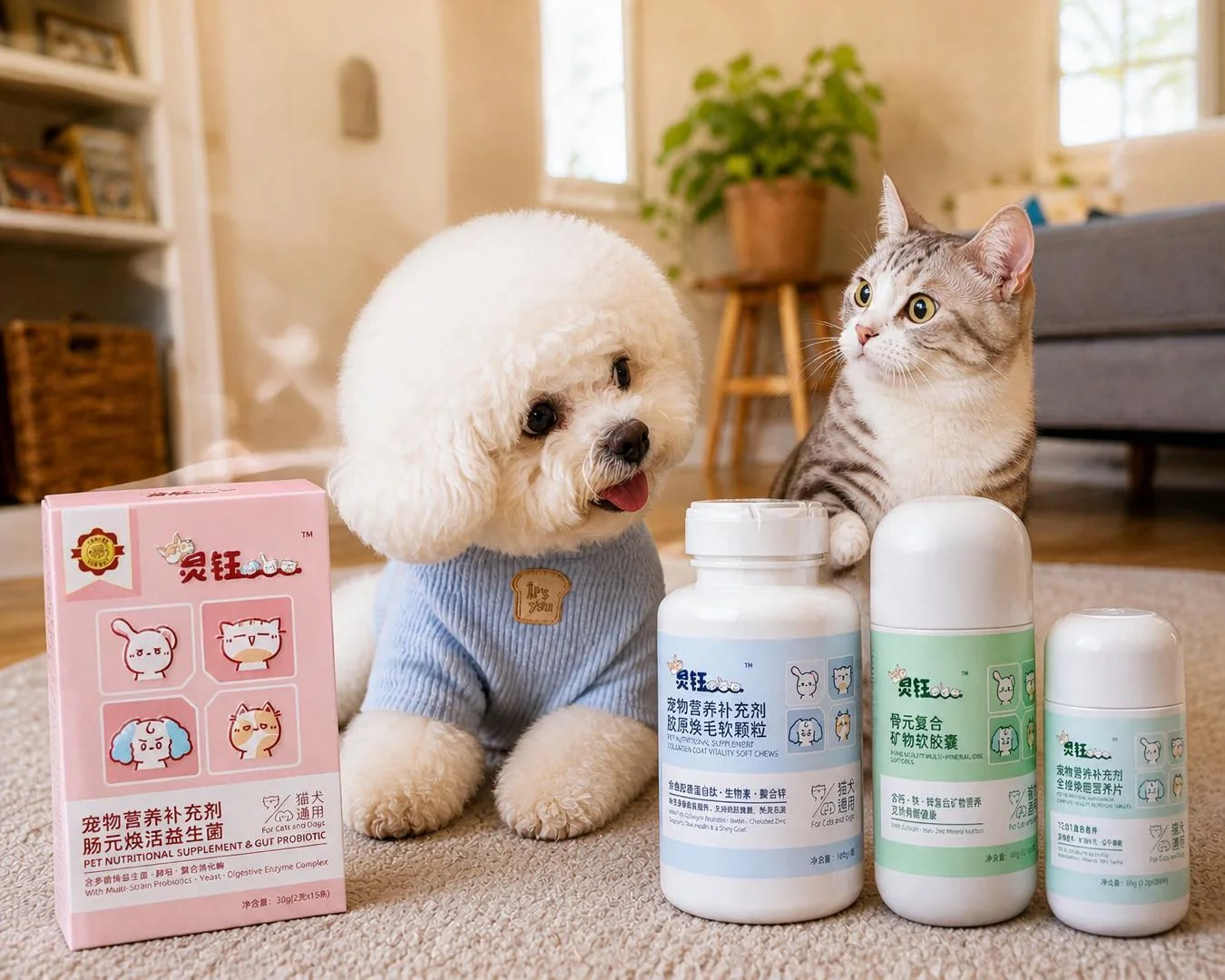
Build a digestive nutrition range around your brand. Explore formulation, sachet formats and branded packaging with Lingyoo.
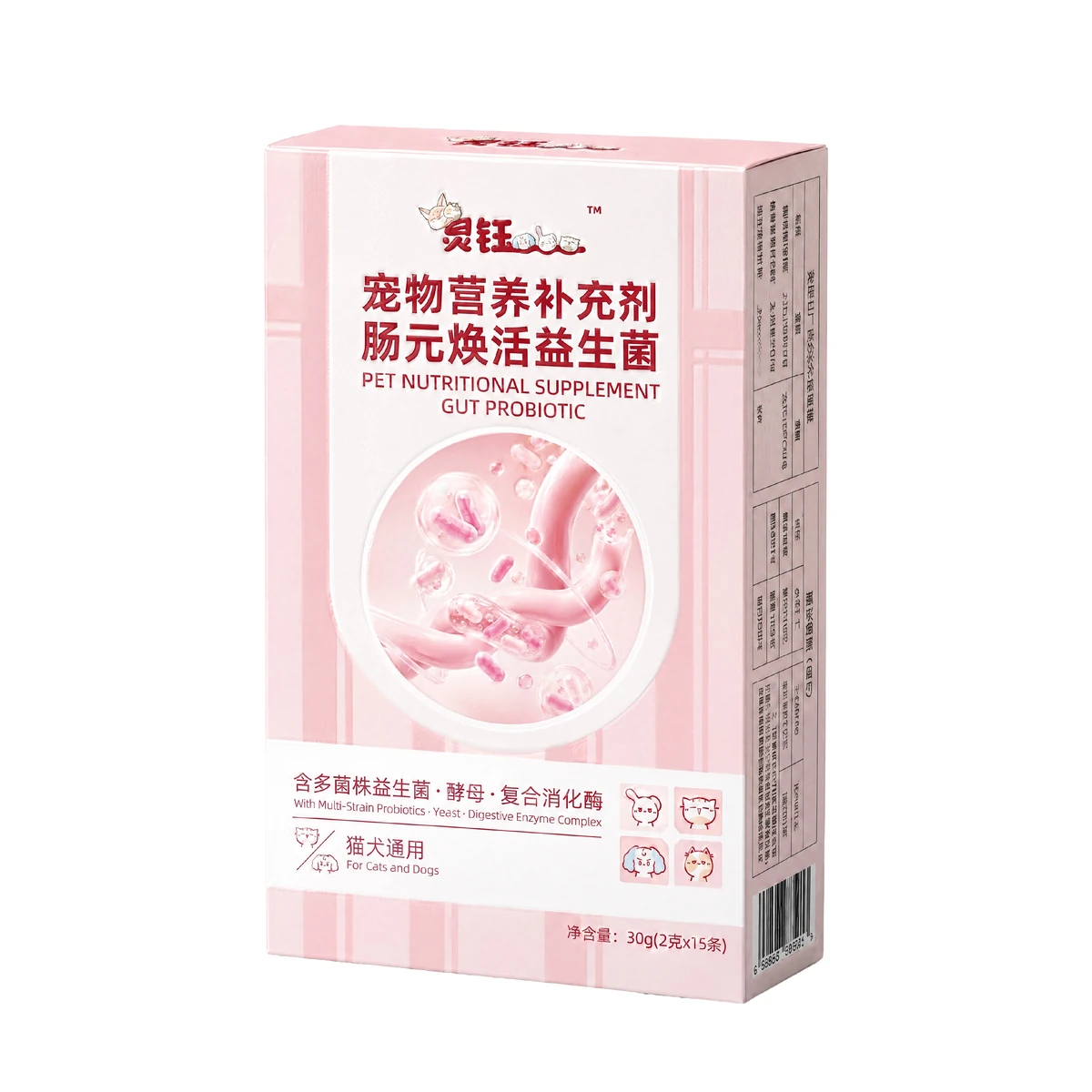 LY-18 · Product reference
A sachet-based product reference for your next digestive nutrition range. Start with this presentation, then define the formula and pack for your brand.
Reference pack specifications. OEM formulation, serving directions and packaging are agreed for your project.
A clear product position helps shape the formula, serving format and pack.
Develop a product for a regular digestive nutrition routine, with the intended species and life stage defined in the brief.
Discuss a combined formulation and agree the ingredient identities, amounts and final product specifications.
Create distinct cat and dog products when the formulation, serving approach or brand positioning calls for separate ranges.
Make the specification clear before comparing samples or quotations.
Identify the intended microorganisms at strain level where applicable. A broad ingredient name is only a starting point.
Agree the CFU target, test method and measurement point. Production-day and end-of-shelf-life targets are different specifications.
Set the intended shelf life and storage conditions, then review the evidence needed for the selected formula.
Consider moisture, heat and oxygen exposure when choosing the sachet material, closure and storage instructions.
Final strain identities, CFU targets and stability requirements are defined in the agreed product specification.
Individual sachets are the reference format. Other dosage forms can be reviewed against the formula and production requirements.
Define fill weight, sachet dimensions and the number of units in each retail pack.
Coordinate the carton, product label, directions and storage information as one pack.
Discuss soft chews, tablets or capsules as separate development options, with suitability assessed before sampling.
Bring a product reference, an existing formulation or a new brief. Agree what the sample needs to demonstrate before it is prepared.
Review appearance, handling and the intended way the product is served.
Check the agreed fill weight, sachet dimensions and carton arrangement.
Review sealing, opening, instructions and the artwork against the sample specification.
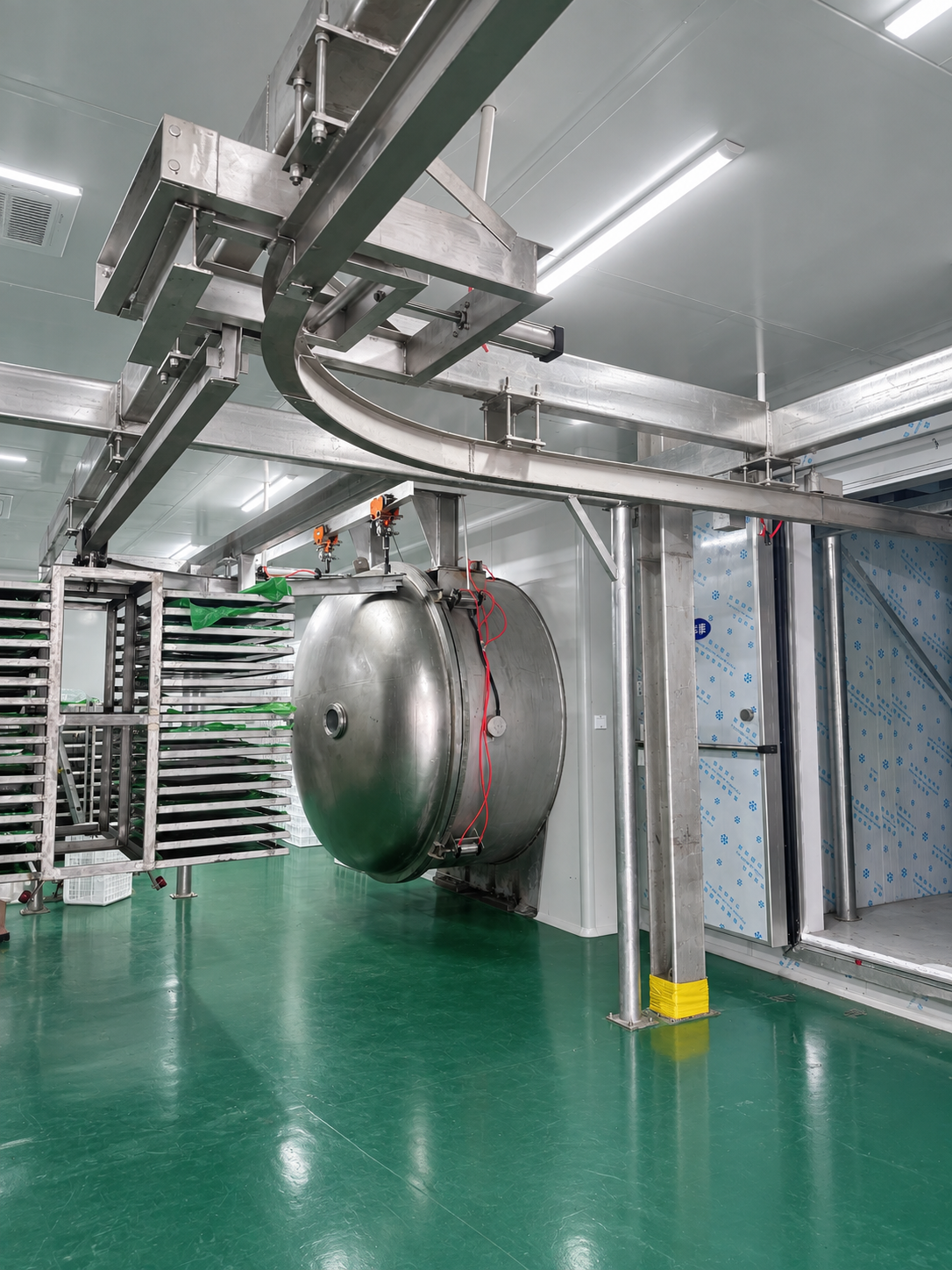
Review the production environment alongside the report for the reference product. For a new formulation, agree the relevant documents and testing requirements with the project specification.
Keep the formulation, sample and packaging aligned at each stage.
Define the species, digestive nutrition position and formulation route.
Agree the formula, physical specifications and sample review.
Confirm the label, pack presentation and order details.
Produce to the agreed requirements, complete final checks and arrange dispatch.
MOQ, sample arrangements and pricing are confirmed for the selected formula, packaging and order.
Practical details for your pet probiotics project.
Yes. The existing reference can guide the format and presentation. Your formula, label, pack size and commercial specification are confirmed separately.
Provide your requirements if you already have them. Otherwise, discuss them as part of the formulation brief, including the testing method and the point at which the count is specified.
Cat and dog projects can be discussed separately. Species, life stage, serving approach and ingredients are reviewed for each brief.
Pack dimensions, fill weight and sachet count can be discussed. Feasibility, MOQ, sampling arrangements and pricing depend on the final specification.
The Gut Vitality Probiotics reference report is available on this page. Any documents required for a new formula or destination are agreed for that project.
Tell us about your brand, the product you have in mind and the packaging you want to explore.