Supplier selection
How to choose a pet supplement manufacturing partner
Compare responsibilities, product specifications and the evidence behind a proposal before you compare the quotation.
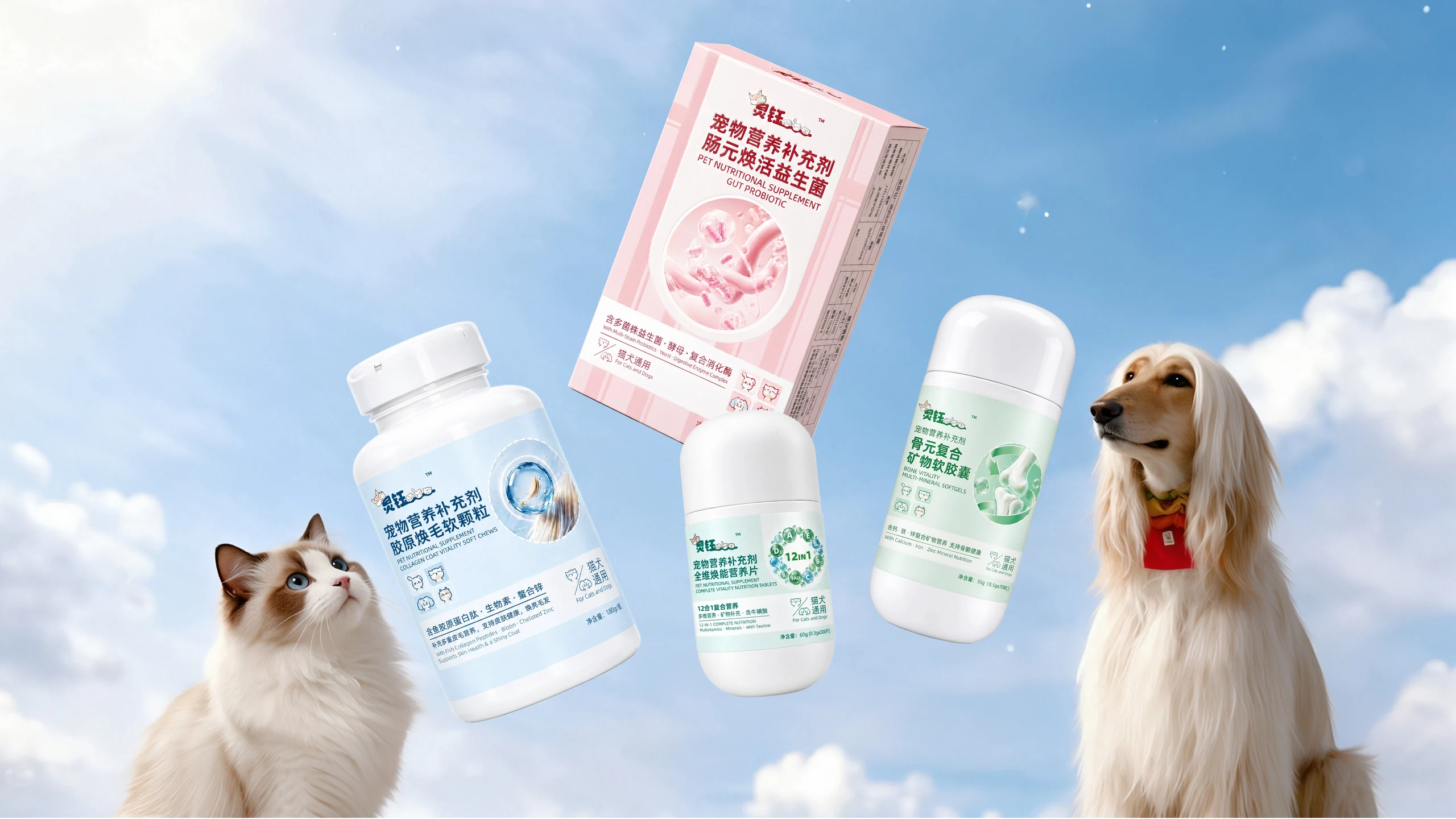
Practical reading for cat and dog supplement brands, importers and distributors—from your first product idea to sample approval.
Choose the question that matters now, then turn the reading into a more specific brief.
Read the practical notes, record your questions and explore the relevant service or product page.
Supplier selection
Compare responsibilities, product specifications and the evidence behind a proposal before you compare the quotation.
Brand planning
Give your first product a defined audience, a useful specification and a realistic project brief.
Packaging
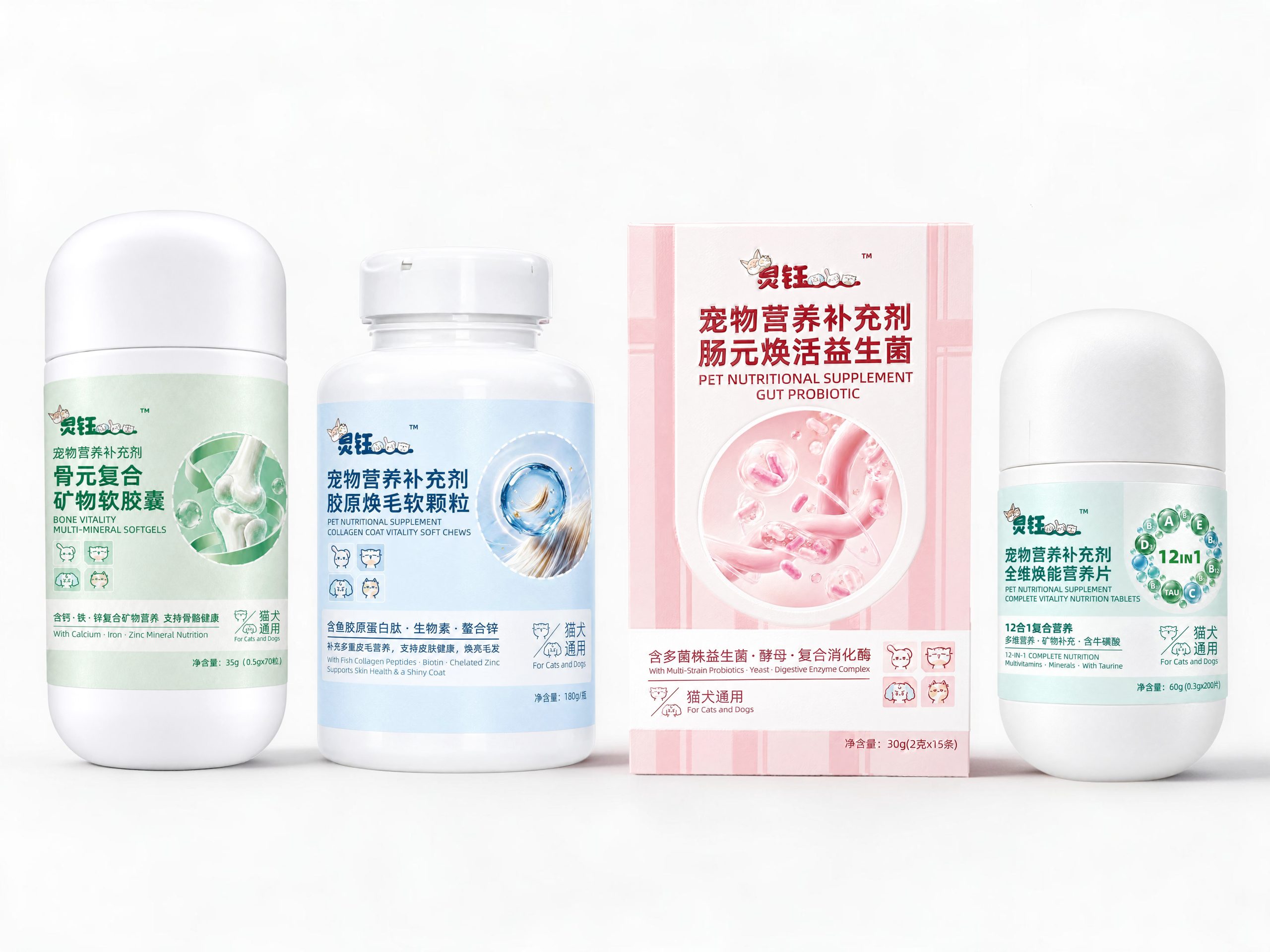
Choose the pack around the product, portion and everyday handling—not the container alone.
Quality documents
Read the product identity and document scope before using a report in your sourcing decision.
Sample approval
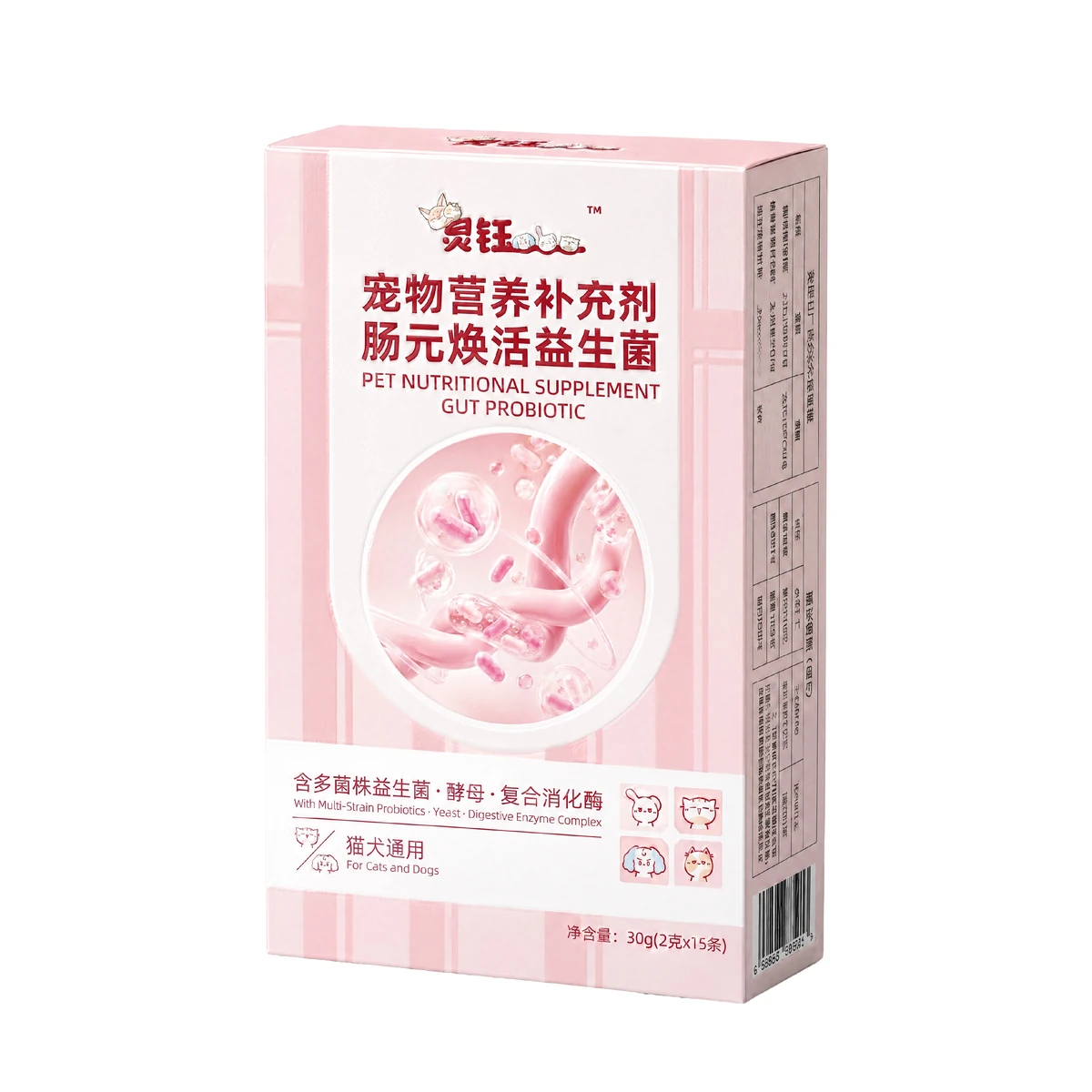
Make comments, changes and approval versions clear before the order moves into production.
Try another topic or clear the filters to see all five guides.
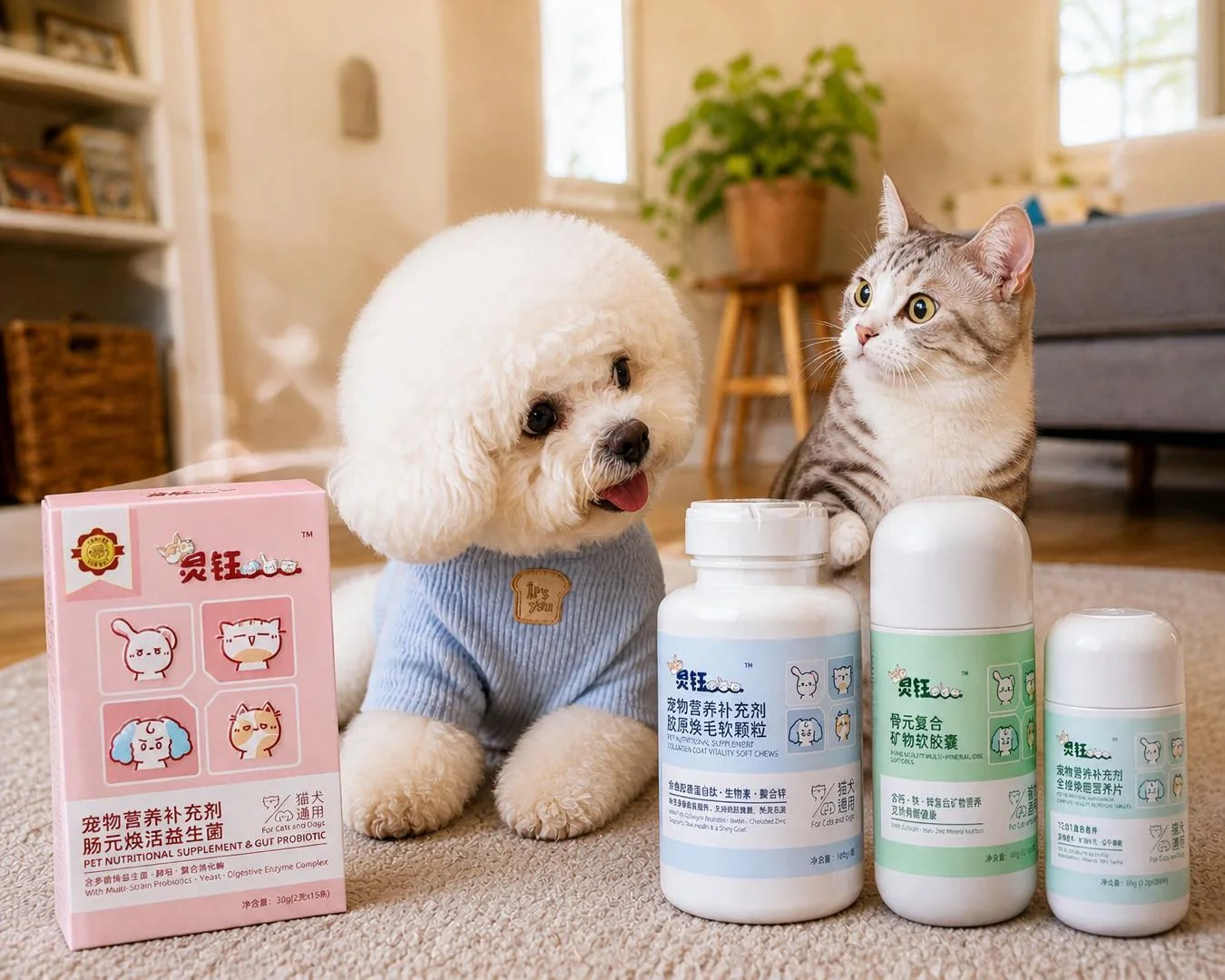
Each product direction has its own specification and sample questions.
Ask about the formulation, powder specification and product documents.
Explore this directionDefine species, body-weight groups and the project’s serving specification.
Explore this directionDiscuss ingredients, soft-chew texture and packaging requirements.
Explore this directionKeep nutrient amounts, tablet specifications and pack counts distinct.
Explore this directionYou do not need every answer before contacting us. Separate what is decided, what you want to explore and what still needs review.
Build your project enquirySpecies, product direction and formula status.
Format, unit or pack quantity, packaging and artwork.
Samples, documents, changes and approval responsibilities.
Expected quantity, company country and intended sales or delivery country.
Use the reading to prepare for a specific conversation.
Tell us what you want to make, what is already decided and where you need a proposal.
Compare responsibilities, product specifications and the evidence behind a proposal before you compare the quotation.
Ask who owns the formulation work, coordinates production, reviews packaging and handles your order. Establish the point of contact for a specification change, a sample comment and a delivery question. A company introduction is useful context; it does not replace a clear project responsibility list.
Prepare one brief for every quotation: intended species, product direction, dosage form, unit specification, pack quantity and expected order quantity. Ask each partner to identify assumptions and exclusions. Separate confirmed details from options that still need a sample or a feasibility review.
Request materials that identify the proposed product or sample. Discuss which specification, artwork version and review record will accompany approval. If a document refers to a different product, clarify its relevance before treating it as support for your project.
Check what the quotation includes: sample work, packaging, artwork changes, production quantity and delivery arrangements. Record what starts the agreed production schedule and how a change is handled. A useful comparison keeps the product and commercial assumptions visible together.
Prepare a comparison sheet with the same brief, each partner’s responsibilities, open questions and the next approval step.
Give your first product a defined audience, a useful specification and a realistic project brief.
Describe the customers your brand serves, whether the product is for cats or dogs, and the nutrition direction you want to discuss. Start with the first product or a clearly defined small range. Different species or life stages may require separate formulation and serving briefs.
Identify whether you have a formula, want to discuss an existing reference or need a development proposal. Include ingredient preferences, exclusions and the format you are considering. Keep proposed requirements distinct from final specifications that have not yet been agreed.
Share the intended pack format, approximate pack quantity, artwork status and expected first order. If quantity or timing is not decided, state that openly. Ask which decisions are needed before a sample plan or quotation can be prepared.
Your company country and the intended sales or delivery country answer different questions. Record both when known. List the documents and label requirements your project needs to review, and agree who will confirm them before artwork and production are approved.
Bring one product direction, a species brief, your formula status, pack idea and an initial quantity to the first conversation.
Choose the pack around the product, portion and everyday handling—not the container alone.
A powder, tablet and soft chew create different packaging questions. Define the target net weight or piece count, unit specification and proposed serving instructions. Do not assume that the number of pieces in a bottle establishes the number of days it will last.
For a bottle, discuss the closure, opening and access to the product. For a pouch, review resealing and product removal. For a sachet, clarify whether it represents a single unit or another agreed amount. Confirm compatibility and storage requirements against the actual product and packaging sample.
A container is only part of the specification. List the label, outer carton, measuring accessory if needed, batch identification area and shipping pack. Review artwork against the intended pack size instead of approving a design without its physical dimensions.
Keep the product specification, packaging sample and artwork version together. Record changes to the material, pack quantity or closure before production approval. Confirm how those changes affect the quotation and schedule for the order.
Provide the product format, pack quantity and a list of required packaging components when discussing options.
Read the product identity and document scope before using a report in your sourcing decision.
Read the product name and sample description. Compare them with the reference product or project specification you are considering. A similar name or package colour is not enough to establish that a report covers a new formula or a different pack.
Read the reported items, methods and results within the document itself. Note the document date and any stated limitations. If you need additional checks, list them as project requirements rather than assuming they were included in an existing report.
A test report, a product specification and a certificate serve different purposes. Ask which materials are relevant to the chosen product and the intended sales or delivery country. A supplied sample report does not, by itself, establish that every future batch or customised product is covered.
Create a list of the document name, corresponding product or sample, review question and person responsible for the follow-up. Agree the materials needed at sample approval and before dispatch. Keep the approved product and document versions traceable within the project.
Match each requested document to a named product, sample or project requirement before using it as evidence.
Make comments, changes and approval versions clear before the order moves into production.
Identify the formulation or reference, intended species, dosage form and sample version. Discuss whether the review covers the product, packaging, artwork or all of them. A product-only sample should not silently become approval of an unreviewed final pack.
For tablets, record the agreed physical specification and packaging count. For soft chews, discuss piece size, texture and handling. For powders, review the agreed portion presentation and packaging. Define any test or acceptance requirements with the project team before judging the sample.
Group feedback by product, packaging and artwork. State which changes are required and which items are accepted. When a revised sample is needed, give it an identifiable version and check that it incorporates the agreed changes.
Before production, confirm the approved specification, pack configuration, order quantity and required documents together. Agree the production schedule and final checks. Delivery is arranged after production is complete and the agreed checks have been passed.
Leave the review with an approved version, a list of remaining actions and a clear production decision.